Layering 101: How to Dress Smart for High-Altitude Treks in the Indian Himalayas
Layering 101: How to Dress Smart for High-Altitude Treks in the Indian Himalayas
Let’s be honest—nothing feels more freeing than standing on a Himalayan trail, surrounded by snow-capped peaks, breathing in that crisp mountain air. It’s the kind of adventure you plan for months, maybe even years. But here’s the thing: when you're climbing to 10,000 feet and beyond, your mindset and your gear both need to be sharp. Especially your clothing.
A lot of first-time trekkers pack like they’re heading on a winter vacation. But trust us—trekking in the Himalayas isn’t about how cozy your hoodie is. It’s about survival, comfort, and performance in a climate that can turn from sunny to snowy in hours. That’s where smart layering comes in—and yes, that includes well-fitted hiking pants trousers.
Let’s break it down. Not the science-y way, but the real, trail-tested way.
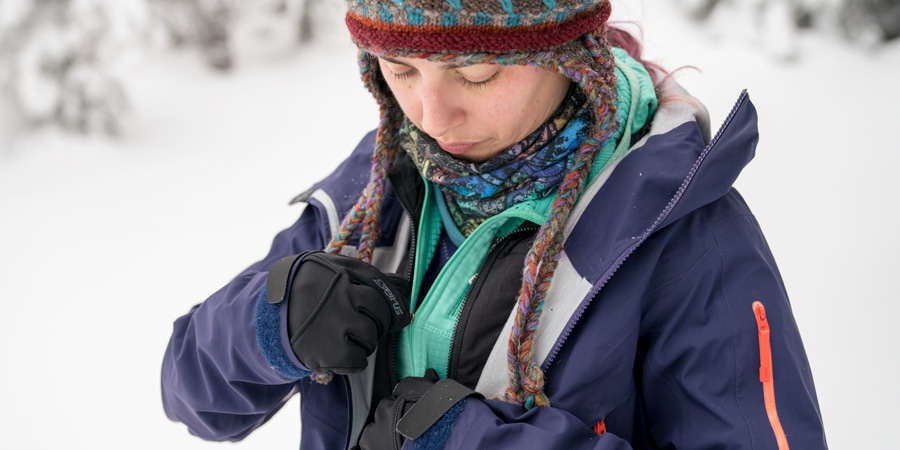
Why Layering Isn’t Just a Buzzword
When you're in the mountains, the weather has zero chill—literally. What starts as a bright morning can turn into freezing winds by lunchtime. If you’re not layering right, you’ll either overheat and sweat (which is dangerous in the cold) or freeze with chills running down your spine. Neither sounds fun.
Layering is like building armor. Each piece has a job:
Base Layer – The Sweat Manager
This is the layer that sits closest to your skin. Its only job? To wick away sweat. A cotton tee won't cut it. Instead, go for quick-drying, breathable materials like merino wool or synthetic blends. You want to stay dry, not drenched.
Mid Layer – The Heat Keeper
This layer is all about insulation. Think fleece, lightweight down, or padded jackets. It traps your body heat and keeps it from escaping. You don’t need bulk here—you need performance. Choose pieces that are warm but not stuffy.
Outer Layer – The Shield
This one’s your fortress. A good shell jacket protects against wind, rain, and snow. Look for waterproof and windproof materials with good ventilation. Zip pits, adjustable hoods, and storm flaps might seem extra, but on the trail, they’re life-savers.
The Forgotten Hero: Bottom Layers
While we obsess over jackets, many of us forget about what’s covering our legs. And let’s be real—denim and cotton joggers have no business on a mountain. You need hiking-specific pants or trousers that move with you, wick moisture, and dry fast. Stretchable fabric, reinforced knees, and zip-off options are gold when you’re navigating steep climbs or sudden temperature drops.
Also, thermal tights or leggings under your hiking pants can be a game-changer on colder days. Don’t ignore the lower half—it carries you all the way.

Footwear, Accessories & All That Jazz
Your feet take the most beating, so high-ankle trekking boots are non-negotiable. Pair them with woolen or synthetic socks—not cotton. And don’t skip the accessories:
Gloves: Lightweight liner + insulated waterproof gloves
Beanie/Cap: For head warmth and sun protection
Neck gaiter or buff: It’s tiny but mighty—wind, dust, sun, you name it
These small pieces add up. When your fingers freeze or your ears burn under the sun, you’ll thank yourself for packing smart.
Dressing for the Day: Trail-Proven Tips
Morning: Start with all three layers. It’s cold, and your body hasn’t warmed up yet.
Midday Hike: Once you start sweating, peel off the mid or outer layer. Keep the base layer on to stay dry.
Evening/High Camps: The temperature drops hard. You’ll want everything back on—maybe even a down jacket or an extra fleece.
Sleep Setup: Change into a dry base layer before sleeping. Dry skin = better sleep + less risk of hypothermia.
And always, always carry an extra pair of socks and a dry inner layer in your daypack. You never know when you’ll need them.
Final Thoughts: Your Gear Should Work as Hard as You Do
Layering isn’t about style (though looking sharp on the trail doesn’t hurt). It’s about performance and safety. The mountains are unpredictable, but with the right layers, you stay ready.
Invest in quality pieces that are tested in real conditions. Gear made for the outdoors knows how to move, breathe, and protect. It’s not about having more clothes—it’s about having the right ones. You deserve to enjoy the trail without worrying about blisters, chills, or soggy socks.
Because when you finally reach that viewpoint—breathless, glowing, alive—you won’t be thinking about your gear. You’ll just be in the moment. And that’s what it’s all about.
P.S. Want to know more about mountain safety and dressing right?
The Himalayan Mountaineering Institute offers some solid guidelines and courses for trekkers and climbers. Worth checking out before your next big trek!

Comments
Post a Comment