What Most Trekkers Get Wrong About Dressing for the Himalayas (And How to Get It Right)
What Most Trekkers Get Wrong About Dressing for the Himalayas (And How to Get It Right)
You’ve trained, booked your flights, and picked your trekking route. The excitement is real. The Himalayas are calling. But let’s pause for a second—what are you wearing up there?
Most trekkers think they’ve packed smart: a couple of warm jackets, thick socks, a beanie, maybe a pair of jeans (yes, people actually do this). But when you’re thousands of feet above sea level, facing biting winds, surprise snowfall, and sudden sunshine—all in a single day—your outfit matters more than you think. Especially your men's trekking pants. Choose wrong, and you'll either freeze, sweat, or chafe your way to regret.
Let’s talk about the biggest mistakes people make and how to actually dress smart for one of the world’s most challenging terrains.
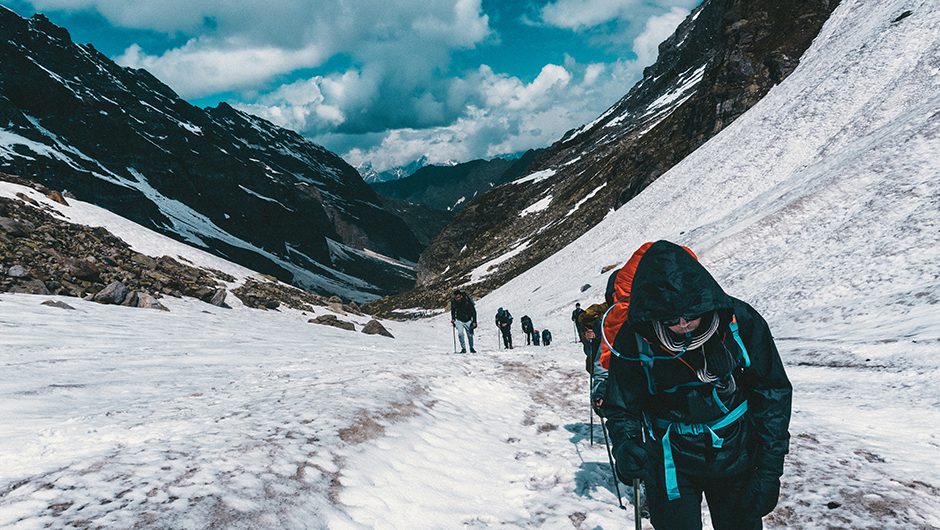
Mistake #1: Thinking "Warm = Safe"
Warm clothes are essential, of course—but layering is where the magic happens. A thick hoodie might feel cozy at the start of your trek, but what happens when the sun comes out halfway through the trail? Now you’re hot, sweaty, and carrying a heavy hoodie in your backpack.
Get it right: Dress in layers. Always. Base layer to wick away sweat, mid-layer for insulation (think fleece or a lightweight down jacket), and an outer shell to protect from wind and water. You can peel or pile them on as needed. Flexibility is your best friend on the trail.
Mistake #2: Cotton Everything
Cotton socks, cotton tees, cotton hoodies… cotton is comfy, but it’s a nightmare in the cold. It absorbs moisture and takes forever to dry, which means once you're wet (from sweat or snow), you're stuck being cold and damp.
Get it right: Go for moisture-wicking, quick-dry fabrics like merino wool or synthetics. They keep you dry and regulate your temperature—plus, they’re much lighter.
Mistake #3: Wearing the Wrong Pants
This one’s a biggie. Trekking in the Himalayas isn’t a casual Sunday stroll. And yet, so many trekkers show up in jeans or flimsy joggers. These either restrict movement or offer zero protection against wind and rain. The result? Discomfort, chafing, and possible hypothermia if it rains or snows.
Get it right: Invest in proper trekking pants. They should be water-resistant, flexible, breathable, and ideally have zip-off legs for when the weather warms up. The terrain demands pants that move with you, not against you.
Mistake #4: Forgetting About Wind
When you're high up in the mountains, wind is more than just a breeze—it can cut through your clothes like a knife. Even if it's sunny, that wind chill can sap your body heat fast.
Get it right: Always carry a windproof outer shell, even if the forecast looks clear. A lightweight windbreaker can be the difference between a pleasant trek and shivering your way to the next tea house.
Mistake #5: Ignoring Footwear and Socks
It’s not just about boots. Your socks matter too. Thick cotton socks might feel warm at first, but they’ll trap sweat, cause blisters, and keep your feet damp. This is an open invitation to foot problems, and trust me—you do not want foot issues when you're days away from civilization.
Get it right: Use merino wool or synthetic socks that cushion and breathe. Always carry an extra dry pair. And make sure your boots are broken in before you arrive in Nepal or Ladakh.
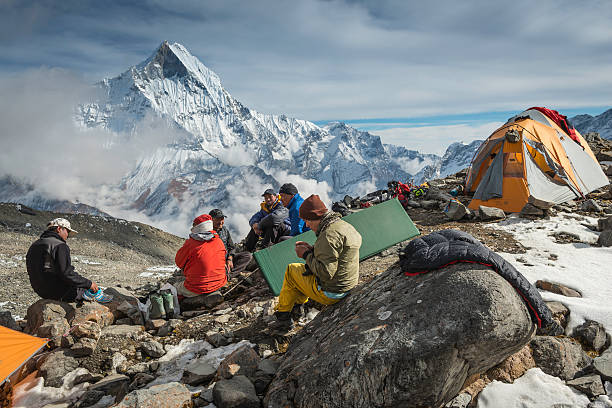
Mistake #6: Overpacking Clothes
A lot of first-time trekkers panic and bring their entire winter wardrobe. Result? A heavy backpack, sore shoulders, and clothes you’ll never even wear.
Get it right: Be minimalist, but smart. One or two base layers, one mid-layer, and one outer shell are usually enough. Add extra socks and underwear, but don’t go overboard. The goal is to stay light and mobile.
Also Read: Trekking in the Indian Himalayas? Here’s Why Your Clothing Matters More Than You Think
Final Thought: Dress Like a Trekker, Not a Tourist
Dressing for the Himalayas isn’t about looking cool. It’s about survival, comfort, and making the most of a once-in-a-lifetime adventure. Get it wrong, and you’ll remember the blisters, the chills, the sweat. Get it right, and the only thing you'll remember is the breathtaking views, the peace of the peaks, and the power of putting one foot in front of the other.
Oh, and if you're ever unsure about what gear meets mountain safety standards, the Indian Mountaineering Foundation (IMF) provides excellent guidelines for high-altitude trekking preparedness. It’s worth checking out before you start packing.
Because in the Himalayas, what you wear isn’t just style—it’s survival.

Comments
Post a Comment